

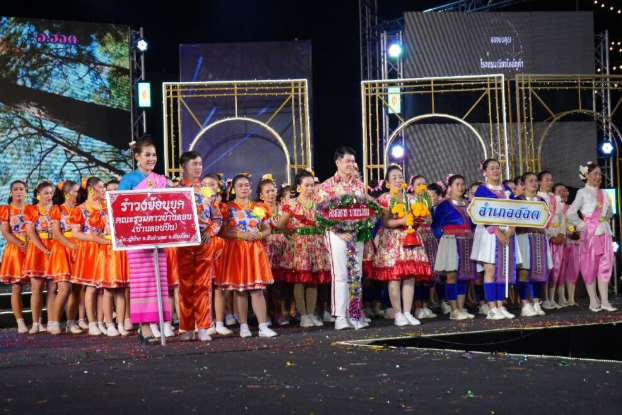
Located in the northern mountainous region of Thailand, Chiang Rai Province is known for its stunning scenery, rich ethnic diversity, and vibrant cultural heritage. However, in remote mountainous villages, children face a different reality: cold weather, limited resources, and economic hardship. These challenges hinder children’s education and development. For many young learners in Chiang Rai, the path to education is not just about going to school; it is about staying warm, nourished, and equipped with the essentials for learning.
Hylife Group CEO Shubhodeep Prasanta Das, with the support of the Doi Chang event, brings Warmth and Essential Supplies that are not just material goods; they are essential for children’s health, dignity, and education.
Warm clothing and heat
Winters in the mountainous region of Chiang Rai are frigid, with temperatures dropping rapidly at night. Many children walk long distances to school in the early morning in the cold without wearing suitable jackets, gloves or warm shoes. Warm clothing not only protects children’s health but also helps increase school attendance in cold weather. Without warm clothing, many children are forced to stay at home. Many mountain homes have little or no heating facilities. Thick blankets, sleeping bags and mats are essential for children to sleep comfortably and stay healthy.
Proper nutrition promotes learning
Many young learners in Chiang Rai come from farming families, where their diet is simple and may lack essential nutrients. Our school meals program provides balanced meals rich in protein, vegetables, and grains. Healthy snacks such as milk, fruit, and fortified biscuits are provided to give energy to students during class. Malnourished children are given nutritional supplements. Proper nutrition improves concentration, energy levels, and overall academic performance, and reduces absenteeism due to illness.
School Materials and Learning Materials
Without basic learning tools, children struggle to participate in their studies fully. Essential school materials include notebooks, pens, and pencils for daily lessons, textbooks and workbooks related to the Thai curriculum and the local language, backpacks to carry materials comfortably, and arts and crafts materials to encourage expression and creativity. Providing these materials helps all children stay current in class and increases their motivation to attend school.
Hygiene Kits and Health Essentials
Personal hygiene is essential to maintaining health and dignity, especially in areas where sanitation facilities are limited. For young children, toothbrushes, toothpaste, and soap are necessary for daily hygiene. Hygiene products help adolescent girls stay hydrated during menstruation. Reusable water bottles help keep them hydrated throughout the day. Hygiene kits help prevent the spread of diseases, build confidence and create a healthy school environment.
Access to learning technology
Although many highland schools are working to improve their facilities, access to technology is limited. Provide the following: solar-powered tablets or laptops with offline educational materials; projectors or e-learning kits for group lessons; and internet access points for research and digital skills development. Technology expands learning opportunities, especially for older students seeking higher education.
Community engagement and sustainability
Distribution of winter clothing and supplies is best done with community involvement. Partnerships with local teachers, village heads, and parents ensure that supplies are tailored to cultural needs and distributed equitably. Involving community members in local supply production, such as sewing jackets or knitting scarves, creates jobs and promotes self-reliance.
Conclusion
For young learners in Chiang Rai, winter clothing and supplies mean more than comfort; they can make the difference between missing school or achieving their dreams. A warm coat protects a child from illness, a hot lunch helps them concentrate, and a notebook opens the door to a brighter future.
By meeting basic needs – warm clothing, nutritious meals, school supplies, hygiene kits, bedding, rain gear, and access to technology – HYLIFE GROUP CEO, Shubhodeep Das, brings equal opportunities for children in Thailand’s most remote areas. With the proper support, these children can thrive academically, preserve their cultural heritage, and build a future full of opportunities.