

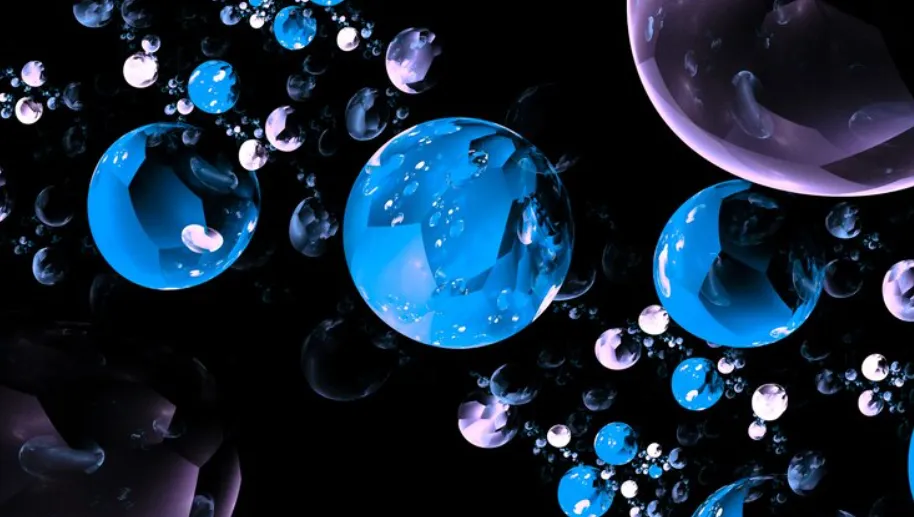
Nanobubble technology is becoming an important innovation in modern water treatment and environmental protection. It uses extremely tiny bubbles, much smaller than regular air bubbles, to improve the quality of water in lakes, rivers, ponds, and industrial systems. These nanobubbles stay in water for a long time and help improve oxygen levels, remove pollutants, and support healthier aquatic ecosystems. Because of these features, this technology is gaining attention as a powerful tool for better and more efficient aquatic cleanup methods around the world.
What is Nanobubble Technology
Nanobubble technology works by creating bubbles that are less than one micrometer in size. These bubbles are so small that they do not float to the surface quickly like normal bubbles. Instead, they remain suspended in water for long periods. This allows oxygen and other gases to spread more evenly throughout the water. The stability of nanobubbles makes them highly effective in improving water quality in both natural and artificial water bodies. They also help in breaking down harmful substances and supporting natural purification processes.
How It Improves Aquatic Cleanup
Nanobubble technology plays a major role in enhancing aquatic cleanup by increasing oxygen levels in polluted water. Higher oxygen levels support the growth of beneficial bacteria that naturally break down waste and organic matter. This helps reduce sludge, algae growth, and unpleasant odors in water bodies. In polluted lakes and industrial wastewater systems, nanobubbles can speed up the cleaning process without the need for heavy chemicals. This makes aquatic cleanup more efficient, safer, and more environmentally friendly. It also helps restore balance in aquatic ecosystems more quickly than traditional methods.
Benefits for Environment and Industry
The benefits of nanobubble technology extend to both environmental and industrial applications. In the environment, it helps restore damaged water bodies, improves fish habitats, and supports biodiversity. Cleaner water leads to healthier ecosystems and better living conditions for aquatic life. In industries such as agriculture, aquaculture, and wastewater treatment, nanobubbles improve productivity and reduce maintenance costs. Farmers use it to improve irrigation water quality, while fish farms use it to increase oxygen levels and improve fish health. Overall, it provides a cost-effective and sustainable solution for long-term water management.
Future of Aquatic Cleanup Solutions
The future of aquatic cleanup is expected to rely more on advanced technologies like nanobubbles. As water pollution continues to increase globally, there is a growing need for solutions that are both effective and environmentally safe. Nanobubble systems are likely to become more widely used in cities, industries, and environmental projects. With ongoing research, their efficiency and applications will continue to improve. This technology has the potential to become a standard method for maintaining clean and healthy water resources in the coming years.
Conclusion
Nanobubble technology is changing the way we approach water treatment and environmental protection. Its ability to improve oxygen levels and support natural cleaning processes makes it a strong solution for modern aquatic cleanup challenges. As awareness and adoption grow, it will play an important role in creating cleaner, healthier, and more sustainable water systems for the future.