

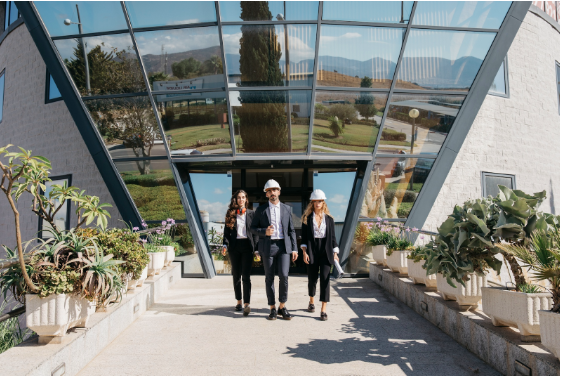
Commercial buildings serve as active spaces that receive continuous use by staff members, visitors, and operational equipment throughout the day. The buildings need to maintain their comfort and functionality to drive productivity.
A building that receives proper maintenance not only maintains its comfort but also reduces repair expenses and enables smooth operations. The fundamental aspects of commercial property maintenance require both proper planning and ongoing preventive maintenance to ensure reliable operations.
The following guidelines explain how to maintain the comfort and functionality of a commercial building:
1. Commercial HVAC Maintenance
A comfortable indoor environment depends heavily on the performance of the heating, ventilation, and air conditioning (HVAC) system. Commercial HVAC systems need regular maintenance because they control building temperature, airflow and indoor air quality.
The HVAC system requires scheduled inspections to detect problems such as blocked filters and refrigerant leaks. Also, to identify components that need replacement. System efficiency increases through cleaning and filter replacement, thermostat evaluation, and system maintenance.
Commercial HVAC maintenance delivers stable temperature control, which employees and visitors need for their comfort. The system’s lifespan increases through proper maintenance, which also prevents costly emergency repairs.
2. Generator Maintenance
Power outages can disrupt business operations and cause significant losses. Generator maintenance is essential to ensure backup power is available when needed. Routine checks prevent failures and keep generators ready for emergencies.
Generator maintenance includes testing the unit, checking fuel and oil levels, inspecting batteries, and ensuring electrical connections are secure. Professional servicing on a scheduled basis ensures the generator operates at its best during power outages.
A well-maintained generator protects sensitive equipment, prevents downtime, and guarantees that the building remains functional even during unexpected power interruptions.
3. Routine Inspections and Preventive Care
A commercial building needs regular inspections to maintain its systems and structural integrity. The professional team needs to inspect the plumbing, electrical, lighting, and flooring systems for signs of wear or damage. This helps organizations save money by providing preventive care, reducing operational interruptions and avoiding expensive repairs.
Organizations should make a maintenance schedule to organize their inspection and repair activities. This system enables them to make timely checks, helping resolve issues as soon as they arise. Businesses use small, regular improvements to smooth out operations and avoid future major issues.
4. Focus on Indoor Air Quality and Cleanliness
Indoor air quality needs to be maintained because it helps improve comfort. The combination of regular cleaning, adequate ventilation, and effective air filtration systems reduces dust, allergens, and unpleasant odors.
The building’s clean areas create a healthier environment that boosts productivity for all occupants. Businesses maximize the benefits of their HVAC systems by integrating air quality checks into HVAC maintenance.
5. Plan for Long-Term Efficiency
Businesses can achieve sustainable efficiency by using long-lasting materials, energy-saving equipment, and efficient maintenance practices. The building will experience lower energy costs and improved year-round comfort through lighting, insulation, and window upgrades.
Staff training on reporting minor issues immediately will help maintain operational efficiency. Moreover, regular inspection and fixing the issues on time can provide long term benefits.