

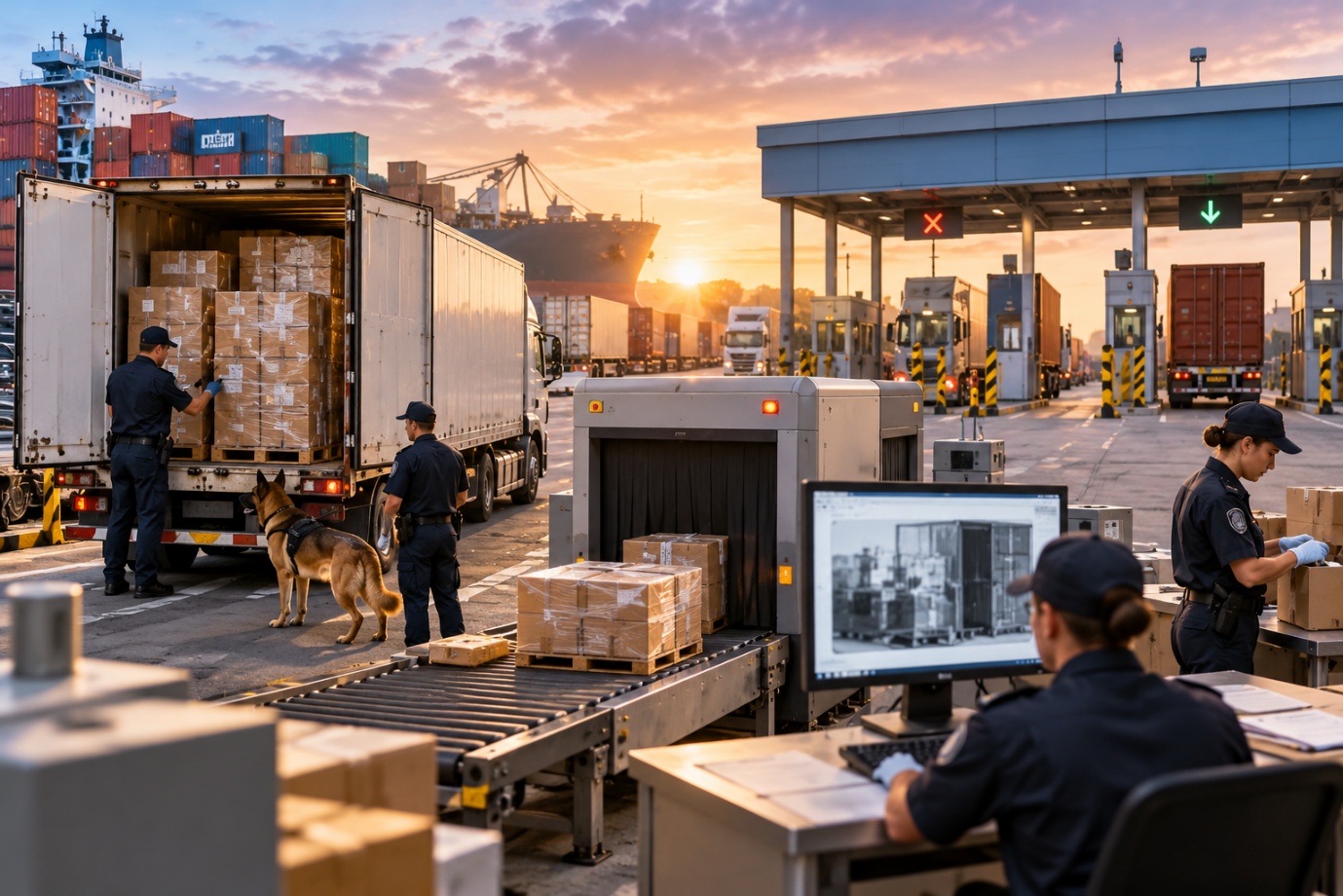
Few moments in trade create more anxiety than a container reaching the border. Missing paperwork or unclear valuations can freeze cargo for days. Dependable customs clearance services help importers understand each checkpoint, so goods keep moving instead of waiting in costly yards.
Documents That Tell the Story
Every shipment carries a paper trail that must agree with itself. The invoice, packing list, and bill of lading should describe identical goods, quantities, and values.
Even a transposed digit or missing signature can send an entry back to the queue. Officers read these documents first, so clarity earns faster release.
Preparing Suppliers Early
Accuracy starts before cargo ships. Suppliers need clear instructions on formats, product descriptions, and origin details. Early guidance prevents corrections that cost far more once the vessel has sailed.
Strong customs compliance services also review paperwork before departure. Catching errors at the source is much cheaper than fixing them while containers wait at the port.
Classification Done Right
Each product receives a tariff code that sets duties and import rules. The wrong code can mean overpaying or facing penalties during a later audit.
Record the reasoning behind every classification. Consistent, documented decisions keep future shipments smooth and make disputes easier to resolve when officials ask questions.
Valuation and Transparency
Declared value must reflect the real transaction, including certain freight and insurance elements. Authorities compare declarations against market data, so unusual figures draw extra scrutiny.
Keep invoices, contracts, and payment proof together. Transparent records make pricing easy to explain whenever an inspector asks for supporting evidence.
Inspections and Holds
Not every container is opened, but some are flagged by risk systems or chosen randomly. Well-labeled cargo and complete records shorten any examination considerably.
When a hold occurs, speed matters. Quick answers and supplemental paperwork often resolve issues within hours, while slow replies can add demurrage and detention fees.
Duties, Taxes, and Payment
Duties and taxes are settled before goods are released. Estimating them in advance avoids cash flow surprises and helps pricing teams protect their margins.
Programs like duty drawback and bonded warehousing can legitimately reduce costs. Review eligibility every year so your business captures each benefit available to it.
Special Goods, Special Rules
Food, electronics, chemicals, and medical items often need permits or certifications. Missing approvals can stop a shipment completely, no matter how perfect other documents look.
Research requirements for each product before ordering. Early checks avoid the painful discovery that goods cannot legally enter the country.
Choosing Who Files Your Entries
Many importers rely on licensed brokers who submit entries and answer official questions. Choose one with real experience in your product category.
Clear communication matters as much as credentials. Agree on response times, document deadlines, and who approves decisions before the first shipment.
Records You Must Keep
Authorities expect importers to retain entry documents, invoices, and payment records for several years. Missing files can cause trouble long after goods have been delivered.
Organized digital archives make audits far less stressful. Name files consistently and store them where authorized staff can find them quickly.
Avoiding Storage and Detention Fees
Containers waiting for clearance can collect storage, demurrage, and detention charges. These costs often grow faster than importers expect.
Pre-arrival filing and complete documents reduce waiting time. Planning clearance before the vessel docks keeps cargo from sitting idle at the terminal.
Building a Repeatable Routine
Smooth clearance comes from checklists, trained staff, and regular audits of past entries. Reviewing completed shipments reveals recurring errors worth correcting.
Using real past examples in training helps new employees learn faster. Over time, every crossing becomes more predictable for your team and your carriers.
Keeping Up With Rule Changes
Tariffs, restricted-party lists, and reporting requirements change throughout the year. Assign someone to monitor updates, or rely on a knowledgeable partner to do it.
Staying informed costs far less than paying fines. It also protects your standing with authorities, which can make future clearances noticeably smoother.
Conclusion
Border crossings stay stressful only when they stay unpredictable. Accurate documents, correct classification, and steady routines make customs a manageable part of trade.
For expert help keeping cargo compliant and moving, explore omnifreightsolutions.com and speak with a team that handles these details daily.