

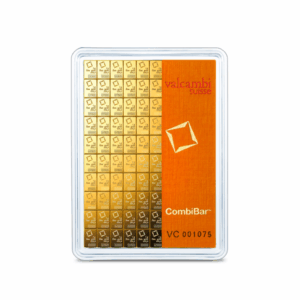
Gold bars appeal to buyers who prefer a straightforward way to own physical metal. They are available in numerous weights, which means the purchasing experience can look very different depending on the amount of gold being considered. A gold bar 100g can sit in an interesting position between smaller bars and significantly larger formats.
The weight is important, but it should not be the only consideration. Buyers should also examine purity, manufacturer, premium, storage requirements, and how the bar fits into their broader approach to physical precious metals.
Why Weight Matters
The weight of a gold bar determines how much metal is contained in one individual unit. Larger bars allow more gold to be consolidated, while smaller products divide the holding into several pieces.
This difference becomes relevant when thinking about future flexibility. Someone who wants fewer physical items may prefer larger bars, while another buyer may value the ability to purchase or manage smaller units separately.
Look at Purity and Product Specifications
Gold bars are typically identified by clear specifications showing their weight and purity. These details provide the foundation for comparing one product with another.
Buyers should review the product description carefully rather than relying solely on photographs or general assumptions about bullion. The exact weight, fineness, manufacturer, and packaging can all contribute to the product’s identity.
Smaller Bars Offer a Different Approach
Not every buyer wants to allocate a substantial amount of money to one bar. Smaller denominations can provide an alternative for those who prefer incremental purchases or want to divide their holdings across multiple units.
A 2.5 gram gold bar for sale can therefore appeal to a very different purchasing preference than a larger bar. The smaller format may be easier to approach from a budget perspective, although buyers should still compare the premium relative to the amount of gold received.
Examine the Premium Carefully
The market price of gold does not necessarily equal the retail price of a physical bar. Production, packaging, distribution, dealer costs, and product availability can all influence the final amount paid.
Smaller bars may sometimes have higher premiums relative to their gold content. That does not make them unsuitable, but it means buyers should compare the full price instead of assuming that a smaller bar automatically represents better value.
Think About Storage
Physical gold needs to be stored responsibly. The more individual products a buyer accumulates, the more attention may be required to organization and security.
A larger bar can simplify storage by concentrating more metal into fewer pieces. Smaller bars provide greater divisibility but may require more individual handling as holdings grow.
Manufacturer Can Matter
The manufacturer or refiner is another factor worth checking. Established bullion producers generally provide clearly stated weight and purity information, making their products easier to identify and compare.
Packaging and accompanying documentation may also vary. Buyers should review what is included with a particular bar rather than assuming all products are presented in the same way.
Consider Your Purchasing Pattern
Someone who plans to make one substantial purchase may approach gold bars differently from someone who intends to buy periodically. The purchasing schedule can influence which denominations feel most practical.
For gradual accumulation, smaller units may offer more flexibility. For consolidation, larger bars may be more attractive. The important consideration is whether the format supports the buyer’s preferred method of building physical holdings.
Compare the Complete Cost
A useful comparison includes more than the displayed price. Consider the metal content, premium, shipping charges, payment terms, and any other applicable costs before deciding.
Looking at the complete transaction makes it easier to distinguish between genuinely competitive offers and products that only appear inexpensive at first glance.
Make the Choice Based on Practical Factors
There is no universal gold-bar size that suits every buyer. The right format depends on available capital, storage preferences, purchasing frequency, desired flexibility, and the role physical gold is expected to play.
Taking time to compare these factors can make the process more deliberate and reduce the chance of choosing a product simply because it is familiar or prominently advertised.
Final Thoughts
Gold bars can provide a simple format for owning physical gold, but weight should be considered alongside purity, premiums, manufacturer, storage, and purchasing goals. Comparing different denominations allows buyers to understand the trade-offs before placing an order.
Those researching different gold bar formats can review available products and specifications through gibraltarira.com as part of their purchasing research.